Home About Us
Arts and Crafts

Arts and Crafts

Loulé has been a land of artisans and craftsmen since the Middle Ages. In the medieval town of Loulé, dating back to the 14th and 15th centuries, there were already mentions of shoemakers, carpenters, stonemasons, locksmiths, butchers, granaries, saddlers, potters, watchmakers, confectioners, tanners, dyers, and Soriano weavers.
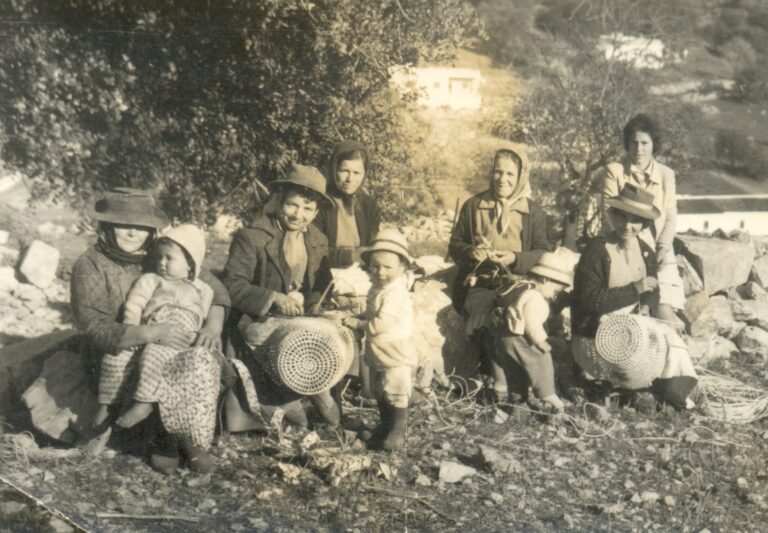
The importance of Arts and Crafts in the economic life of the city and municipality of Loulé.

In fact, in the mid-15th century, it would become significant in the city and surrounding areas, as was the use of packaging for dried fruits, linen weaving, and locally sourced woolen cloths for clothing and sacks.

The landscape will not have changed much, and despite the obstacles it has faced over the centuries, from demographic crises to peaks of development, Loulé has maintained the identifying matrix of its social and economic base.

Loulé is among the municipalities in the Algarve that, until the end of the twentieth century, had the greatest diversity of arts and crafts, as a result of its extensive territorial area and, above all, its great landscape, demographic and economic heterogeneity. It gained fame and was for a long time known as: “land of handicrafts”.

Emblematic Trades of Loulé

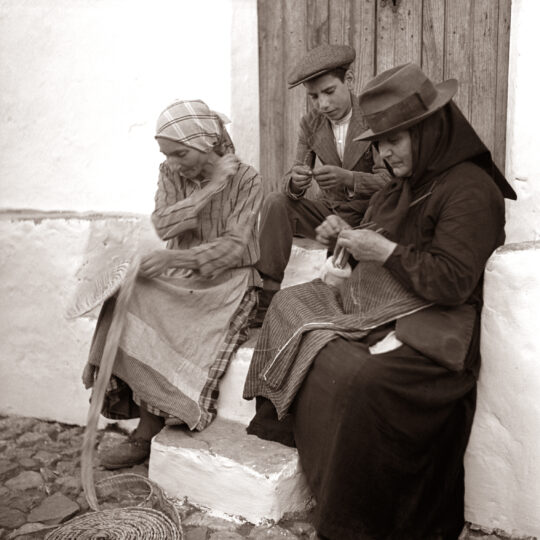
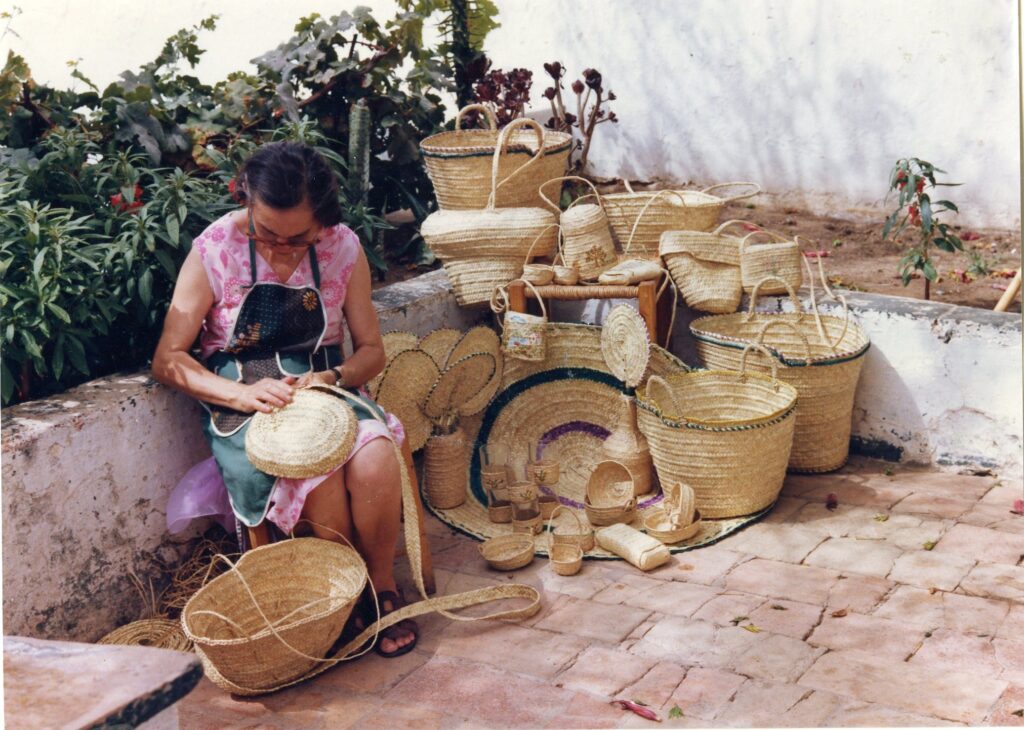
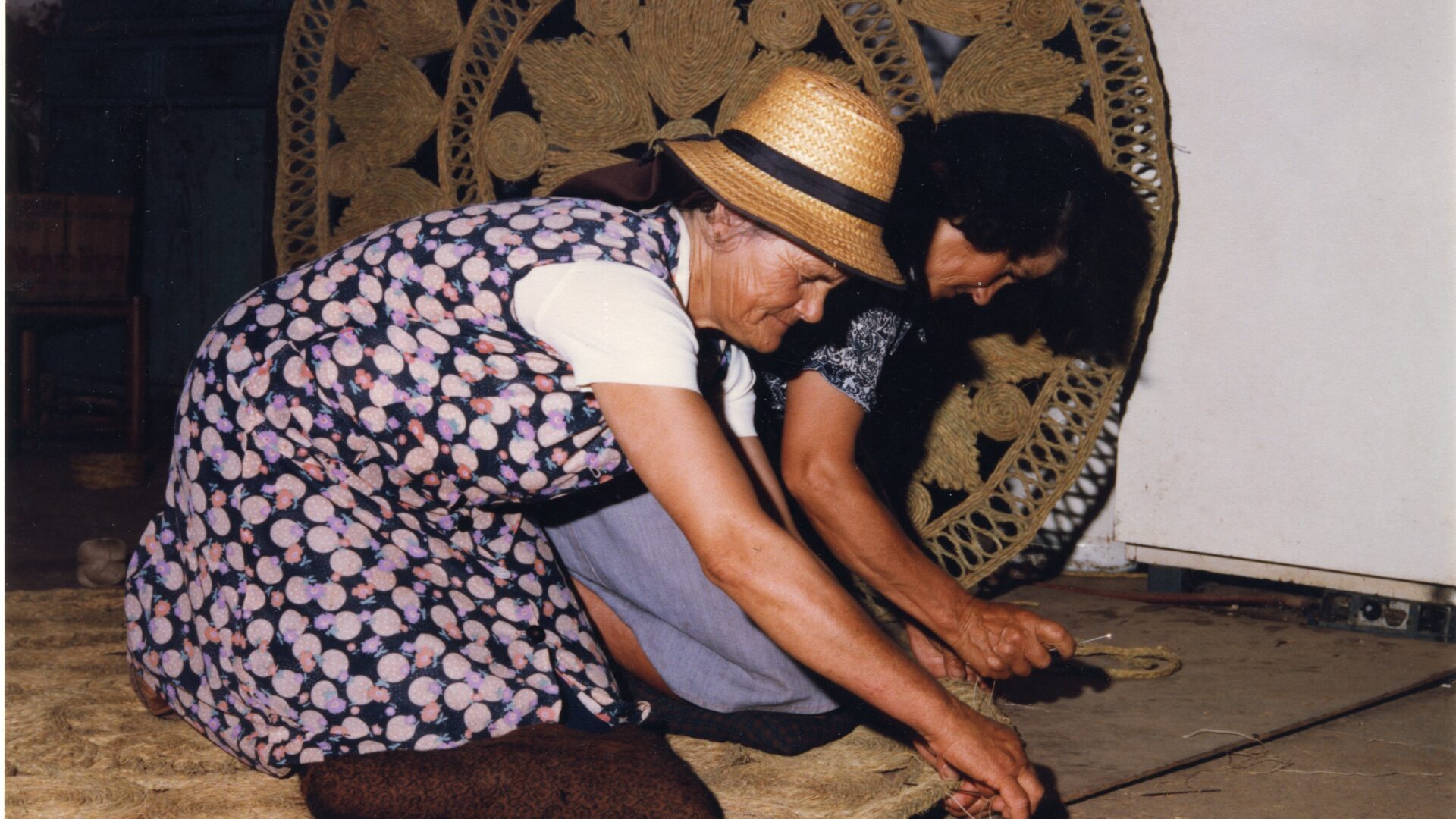
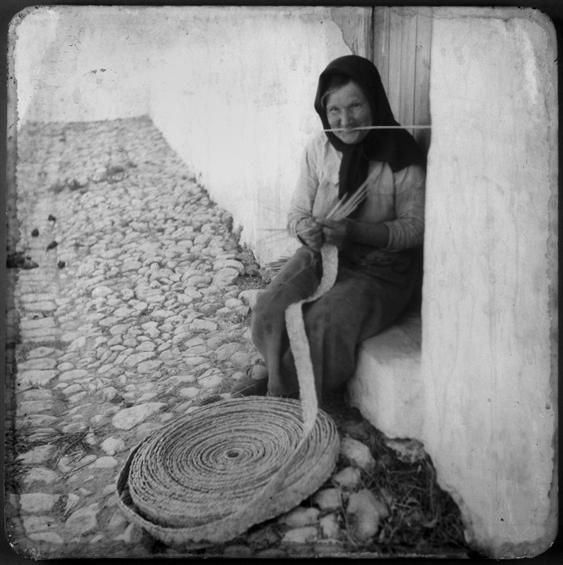
Empreita de Palma: The Intertwining of Memory

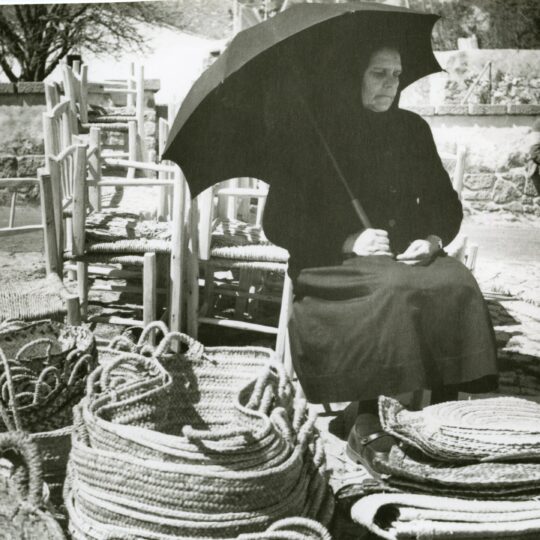
More recently and until the second half of the twentieth century (seventies), the economic and social dynamics of the town of Loulé overlapped in some activities with its Algarve counterparts, namely with regard to the small artisanal industry of footwear and leather, dried fruits, palm and esparto basketry, tailoring and sewing, of copper and other areas of artisanal production and respective trade. The village was a pole of attraction for sellers and buyers from other locations in the Algarve region, the country and the Andalusia region.

The abundant supply of goods, the ease of access to commerce, and the attractive prices made Loulé stand out from the competition with towns and cities, especially those nearby (Faro, Tavira, Albufeira).

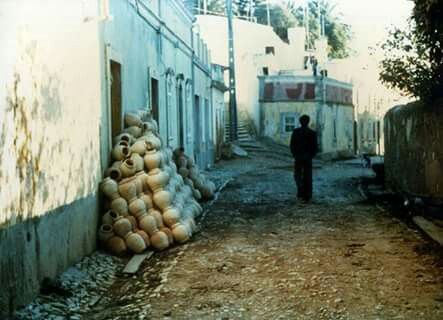
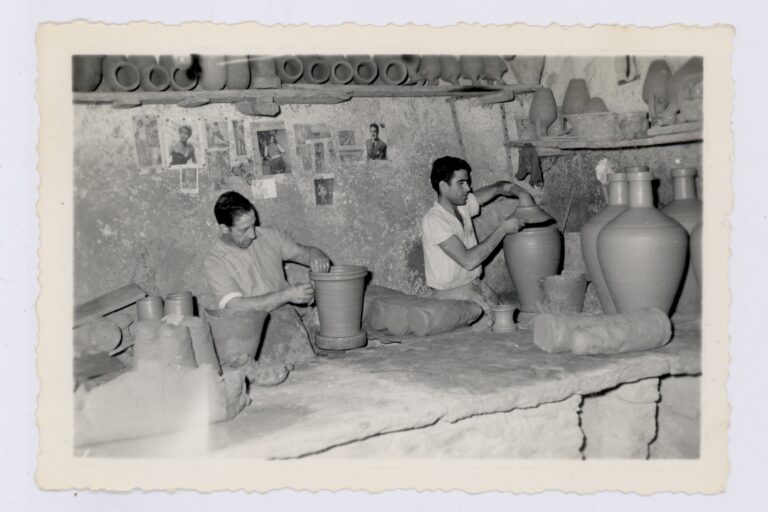
Traditional Louletana Pottery: The Clay that Tells Stories

At the beginning of the twentieth century, there were spinning factories, jute and linen fabrics, tanneries, as well as the metallurgical industry (blacksmiths, boilermakers and tinkers) and the ceramics industry, dispersed in the busiest streets of the town. In the first decades of the twentieth century, there were also three factories for the treatment and manufacture of cork materials, two soap factories, a wax factory, and a pyrotechnic factory. In the food area, mills for the manufacture of flour, the production of dairy products, confectionery based on figs and almonds, some olive oil mills and also the manufacture of wine and brandies (with factories located on the limits of the old village) predominated.

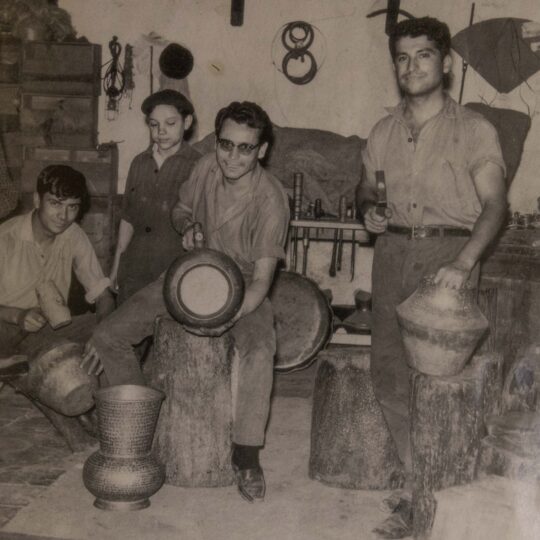
Boilermaking: The Sound of the Hammer Shaping Copper

In the area of ​​specialized commerce, fabric stores, hat and leather shops, tobacconists, taverns, cork shops, palm and esparto grass shops, drugstores, barbershops, lumber yards, goldsmiths, and watchmakers predominated.

Other spaces of intense commercial activity were the fairs and markets, especially the latter, which developed in different areas of the town. The municipal market, inaugurated in 1908, functioned as a convergence point for these markets that were previously scattered throughout the town’s squares and plazas.

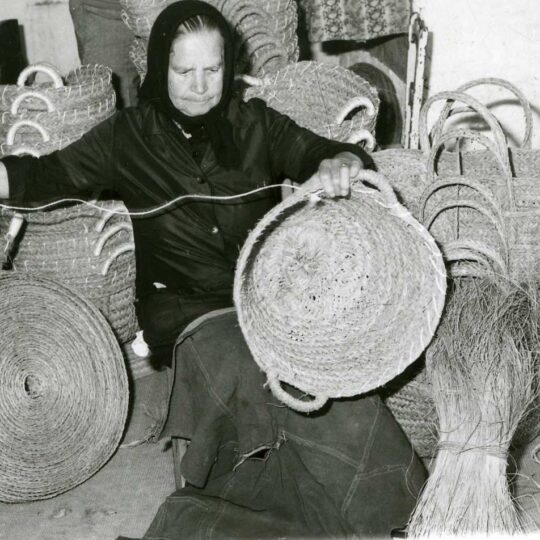
Works in Esparto Wood: The Strength of the Fibers of the Barrocal

Used since ancient times, esparto grass was for centuries one of the most worked raw materials in the municipality, especially in the village of Alte. With this resistant plant, baskets, hampers, mats, ropes, and carpets were produced, mainly for agriculture and fishing.

In Alte, pounded esparto grass was common, a technique that involved wetting and beating the grass with wooden mallets to soften the fibers and allow the manufacture of ropes of different thicknesses. Today, although less practiced, esparto grass work is gaining new life with the creation of the Casa do Esparto (Esparto House), in the village of Sarnadas, part of the Loulé Criativo (Creative Loulé) Workshop Network.

Loulé Criativo: A Future that Honors the Past

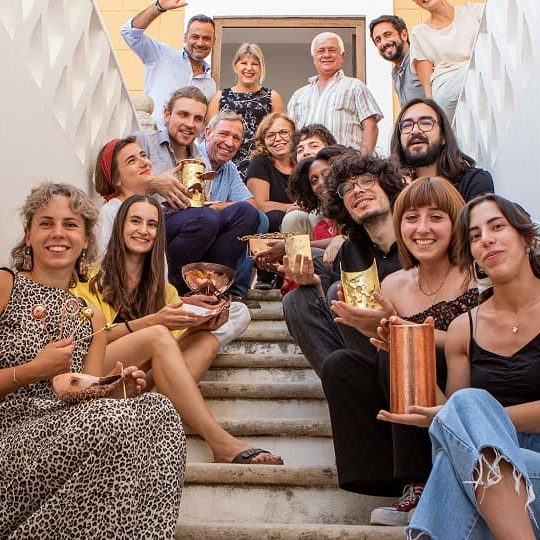
The Loulé Criativo project, an initiative of the City Hall, is currently the main driving force behind the revitalization of the municipality’s traditional arts and crafts. Through workshops, training programs, creative tourism, artistic residencies, and an incubator dedicated to design and the arts, it promotes the continuity of ancestral knowledge, articulating it with contemporary creativity.

The network now includes the Casa da Empreita (House of Weaving), the Oficina de Caldeireiros (Boilermakers’ Workshop), the Oficina do Barro (Clay Workshop), the Oficina do Relojoeiro (Watchmaker’s Workshop), the Oficina de Cordofones (Stringed Instrument Workshop), the Oficina dos Têxteis (Textile Workshop), and, more recently, the Casa do Esparto (Sparwood House). These are vibrant spaces where visitors can directly interact with artisans and where the municipality’s intangible heritage is preserved, valued, and transmitted to new generations.

In Loulé, arts and crafts are not merely vestiges of the past: they are the essence of local identity, a living heritage that accompanies the evolution of the community. From palm wood to clay, from copper to esparto grass, each technique represents centuries of knowledge passed down through generations, bearing witness to the creativity, resilience, and ingenuity of the people of the municipality. Today, through innovative initiatives such as Loulé Criativo, this heritage continues to inspire, create value, and project Loulé as a benchmark in the preservation and reinvention of Portuguese artisanal traditions.