Designers of Loulé






ARTISANS
Analide Carmo and Francisco Dias (coppersmiths)
Cremilde Sousa (ropework artisan)
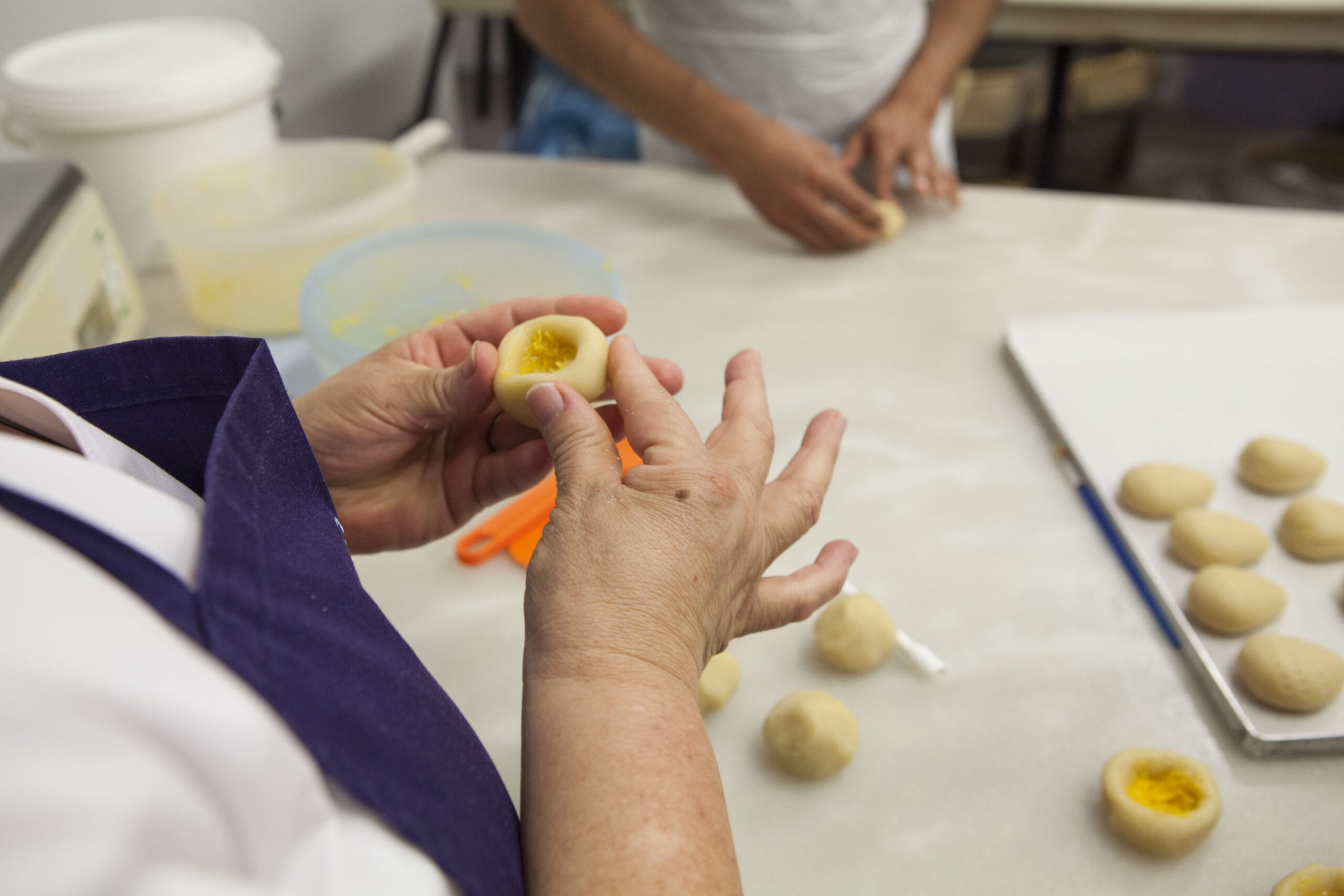
Fábrica da Amêndoa (regional confectionery)
Fernando Henriques (woodworker)
Fernando Zuninga (leatherworker)
Henrique Ralheta (designer)
Hugo Silva (designer)
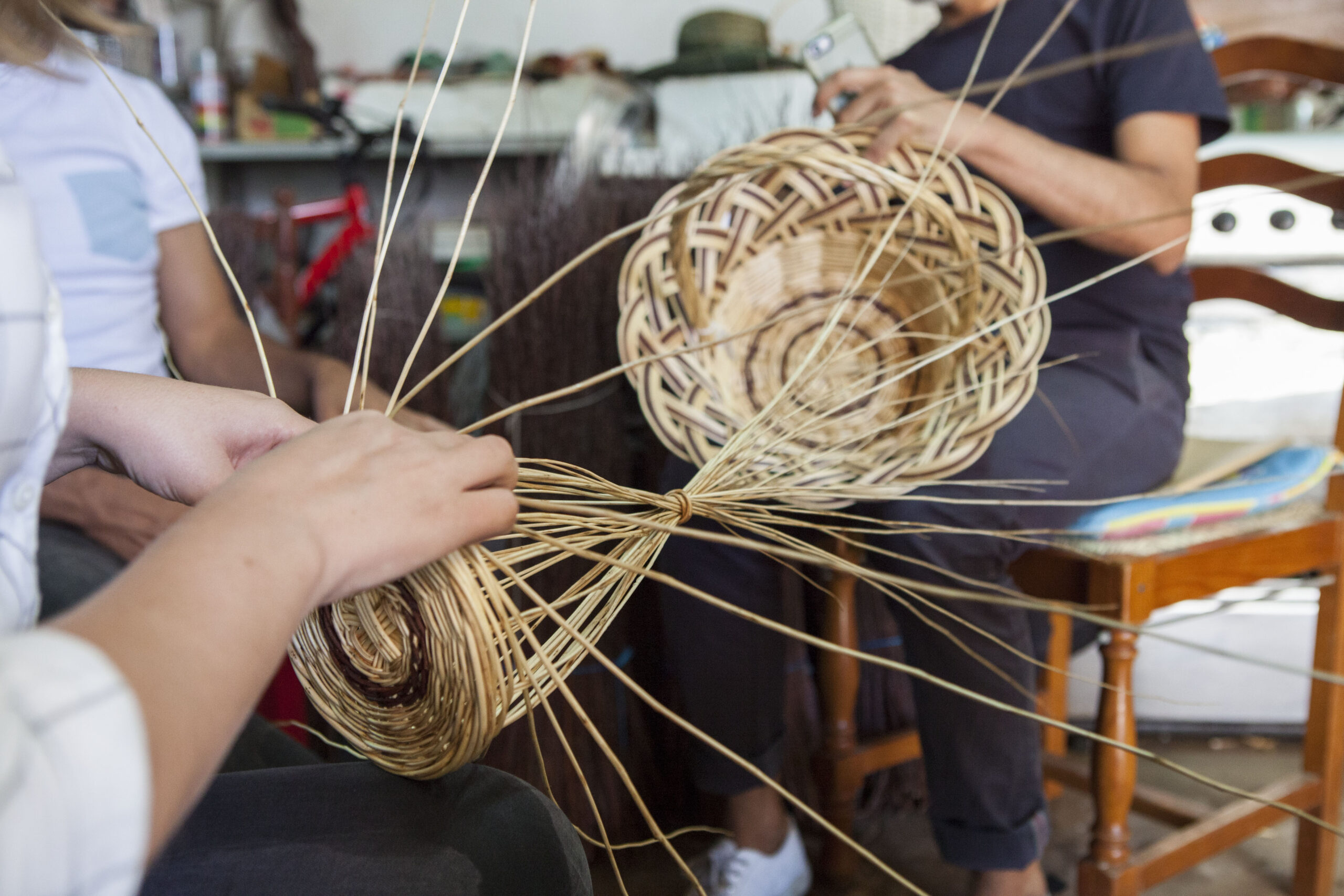
José Amendoeira (basketmaker)
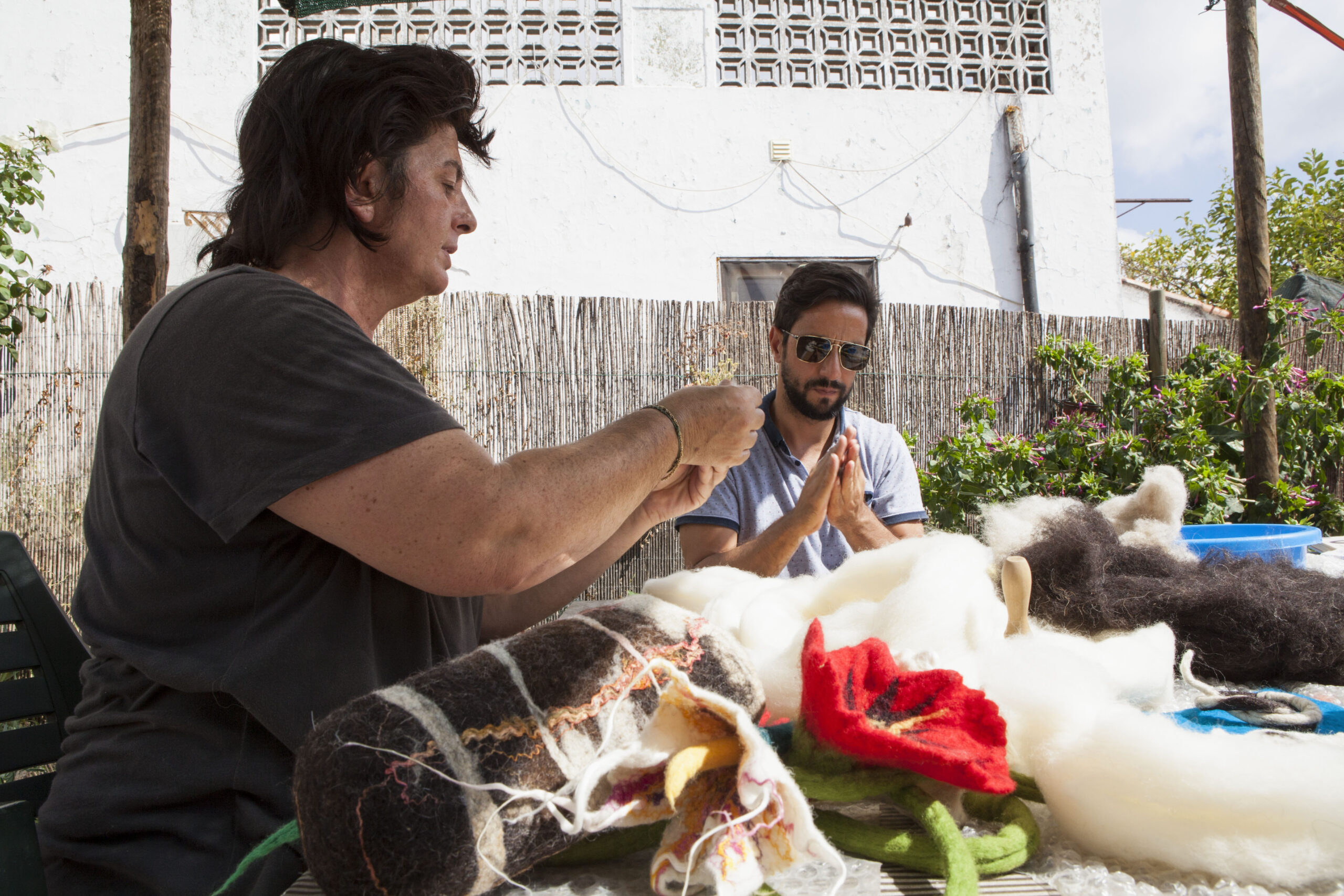
Manoli Ortiz de La Torre (wool artisan)
Marco Cristovam (blacksmith)
Odete Rocha (ropework artisan)
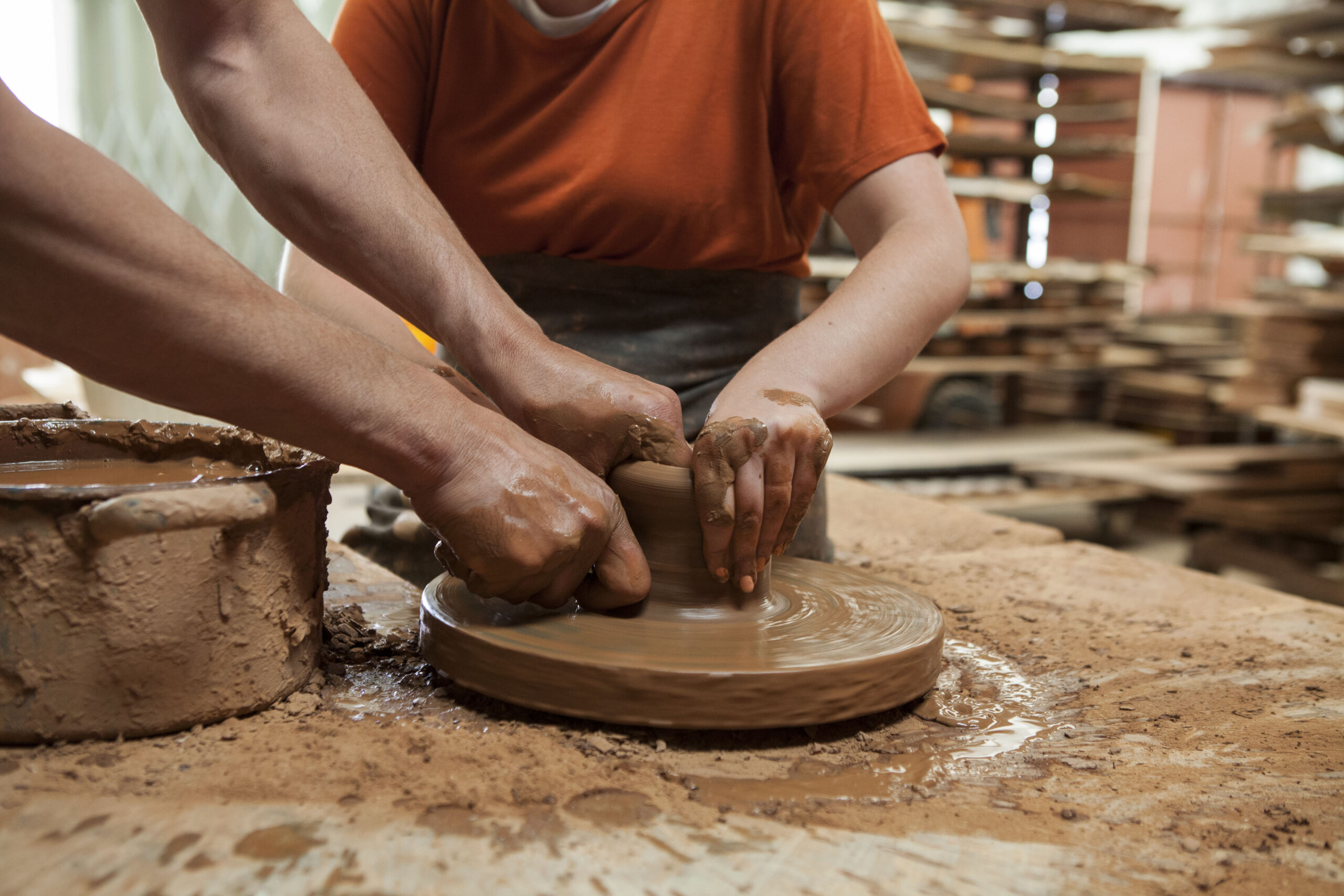
Pedro Piedade (potter)


WORK BY THE HOUR
For the sake of manufactured labor
Because product design seeks to be economically consistent and a vehicle for social justice, a line of pieces is created here that puts into perspective the undervaluation of artisanal labor. Based on the observation of the technique, in which, before shaping the objects, a long braid is constructed, measured in fathoms, and these fathoms are exchanged for hours of labor. The products are then sold by the hour, in a clear call to attention to the undervaluation of this art.
How much should a product that requires 10 hours of specialized work, full of history and identity, cost?

"TAÇAS DE EMPREITA" PER HOUR
2-Hour Bowl/5-Hour Bowl
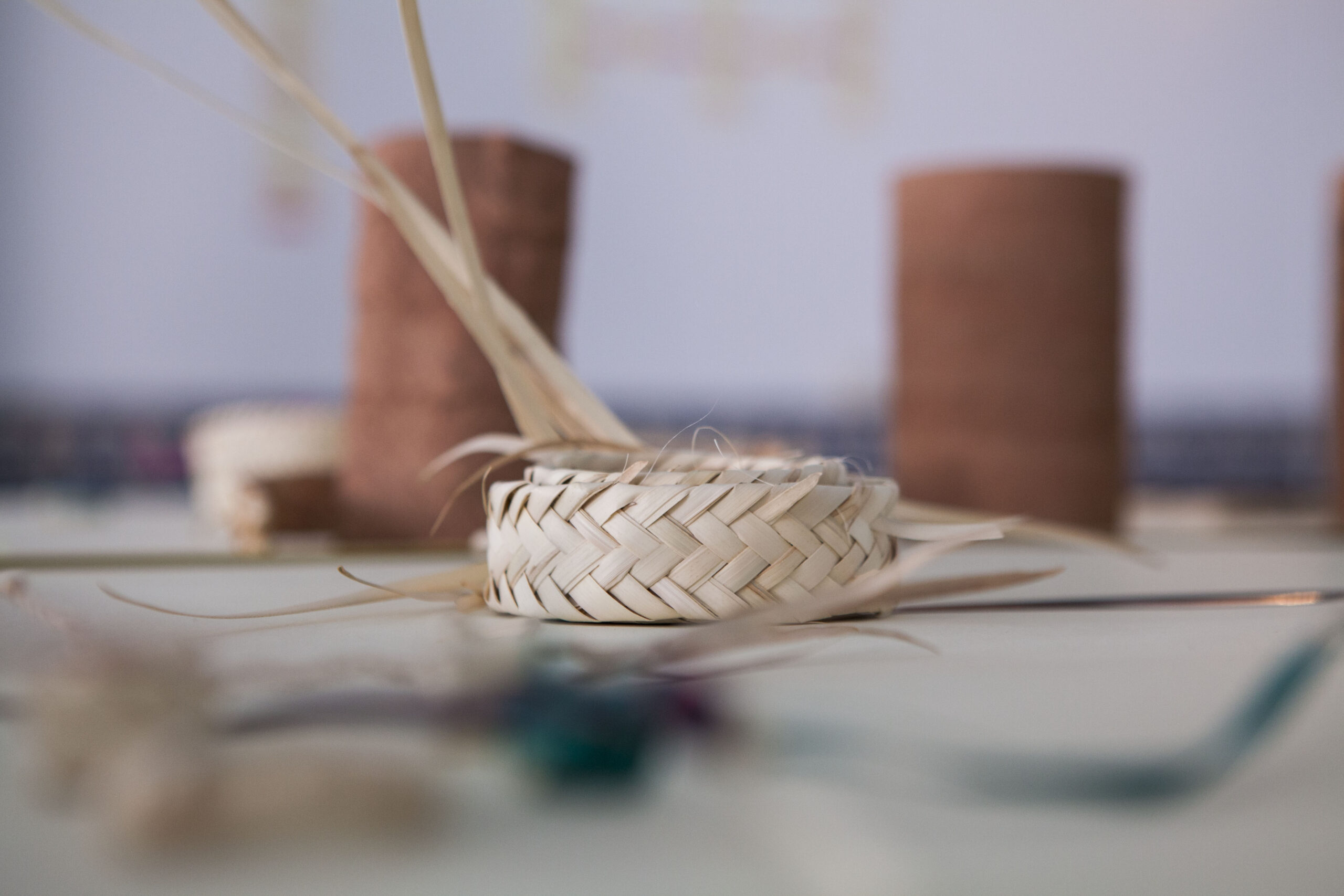
A simple roll of palm oil, through a unique process of joining the turns, allows each person to shape the cup, more or less concave, more or less sculptural. The different diameters translate into hours of work for the contractor.
Materials: palm
Henrique Ralheta (design)
Odete Dias (contractor)
Júlia Laurência (knitter)

Contract Lamps Per Hour
1 hour, 4 hours and 15 hours ceiling light
Luminaires constructed from rolls of palm fiber, whose flexibility allows for any desired shape and control of the light effect. The different diameters translate into hours of work for the contractor.
Materials: palm
Henrique Ralheta (design)
Odete Dias (contractor) and Júlia Laurência (knitter)


"CANDEEIROS DE EMPREITA" BY THE HOUR
2-hour and 4-hour table lamp
Luminaires constructed from rolls of palm fiber, whose flexibility allows them to be shaped to any desired shape and control the effect of the light.
The different diameters translate into hours of work for the contractor.
Materials: palm
Henrique Ralheta (design)
Odete Dias (contractor) and Júlia Laurência (knitter)


ROPEWORK CLOTHES RACKS
The palm empreita braid is rolled and sewn in an atypical way on an olive wood support to form a solid and consistent spiral.
Materials: palm and olive wood
Henrique Ralheta (design)
Odete Dias (contractor), Fernando Martins (wood artisan) and Júlia Laurência (knitter)


CLAY CUPS WITH MESH
Using ancient techniques in which palm mesh is sewn to a support made of another pre-drilled material, and combining the tradition of working clay from chimneys, a series of cups for different uses is created.
Materials: Clay and palm
Henrique Ralheta (design)
Pedro Piedade (potter) and Margarida Cortez (Contractor)


MESH LAMP AND CLAY SOCKET
From a clay socket, where the electrical components are housed, the palm mesh is woven, according to the hand of each artisan involved, thus marking the identity of the pieces produced.
Materials: Clay and palm Henrique Ralheta (design)
Pedro Piedade (potter),
Cremilde de Sousa (contractor) and Margarida Cortez (contractor)


WOODEN AND COPPER TABLE LAMP
A lamp consisting of a copper bell and an olive wood base, creating a sculptural form that highlights the qualities of the materials. The interior of the lampshade is polished, accentuating the copper's luster through the reflection of the light.
Materials: Copper and wood
Vanessa Domingues (design)
Analide Carmo (brazier) and
Fernando Martins (wood artisan)


COPPER CEILING LAMP
The copper plate is presented here in its hammered and polished form, helping to reflect the light. The exterior retains the nuances that naturally arise from the heating and beating process used in copper molding. Olive wood serves as a fitting for the electrical system.
Materials: Copper and wood
Vanessa Domingues (design)
Analide Carmo (brazier) and
Fernando Martins (woodworker)


WALL HANGER
Braided wire and wooden stumps serve as a simple support system for books and magazines.
Materials: Palm and wood
Vanessa Domingues (design)
Odete Dias (contractor)
Fernando Martins (woodworker)


WOODEN SHELF
The rings and grain of the olive wood reflect the slow growth of a tree of enormous importance to Mediterranean culture and economy. A reinforced braid made from local palm allows the shelf to be suspended from the wall.
Materials: wood and palm
Vanessa Domingues (design)
Fernando Martins (woodworker) and Odete Dias (ropework)


POTS
Some Islamic-era containers in the archaeological collection of the municipality of Loulé feature a distinctive feature: the lids can be used for multiple items, rather than forming a pair. These pots are inspired by this versatility and carry some of their forms into modern times. The handles also form different geometries, like the tops of Algarve chimneys.
Materials: Clay, copper and wood Hugo da Silva (design)
Pedro Piedade (potter),
Analide Carmo (brazier) and Fernando Martins (wood artisan)

COPPER CANDLEHOLS
Loulé is a land of coppersmiths, masters in the art of molding copper and brass. It was here that many of the cataplanas that supplied the traditional commerce of the region and country were produced. These candlesticks recreate the technique and shape of the cataplana, a kitchen utensil consisting of two concave pieces, hermetically sealed to induce slow cooking, thus preserving the flavors of the ingredients.
Materials: Copper
Hugo da Silva (design)
Analide Carmo (brazier) and
Francisco Dias (metal artisan)

WALL POCKETS
From the ancient art of weaving palm (a plant native to the Algarve), this set of pockets is born. They are attached to the wall with copper hooks inspired by the handles of the Algarve cataplana. The pockets are opened to accommodate the clips by interrupting the braided seam at that point.
Materials: Palm and Copper
Hugo da Silva (design)
Odete Dias (contractor) and
Francisco Dias (metal artisan)

MOSAIC COOKIES
The designers reinterpreted the Algarve's exquisite sweet, reducing it to extreme simplicity, presenting it as a play of samples of the region's colors and their possible relationships, in a kind of mosaic panel that speaks of our identity.
Materials: Almond paste and food pigments Henrique Ralheta, Hugo da Silva and
Vanessa Domingues (design)
